Why Does My Cat Knead? The Real Reasons Behind the Biscuit-Making (and When to Step In)
It was 2:14 in the morning when the tiny needles started. My cat had climbed onto my chest, switched on her motor — that loud, rattly purr — and begun pressing her paws into me, one after the other, claws out just enough to remind me they exist. Through a T-shirt, it feels like someone poking you with the blunt end of ten pins. And yet I lay there smiling, because I knew what she was doing. She was making biscuits.
If you live with a cat, you know this ritual. The rhythmic pressing, the half-closed eyes, sometimes a bit of drool. It looks ridiculous. It can hurt. And it is one of the most honest things a cat ever does. So what is it, really — and when should you do something about it?
It starts with milk
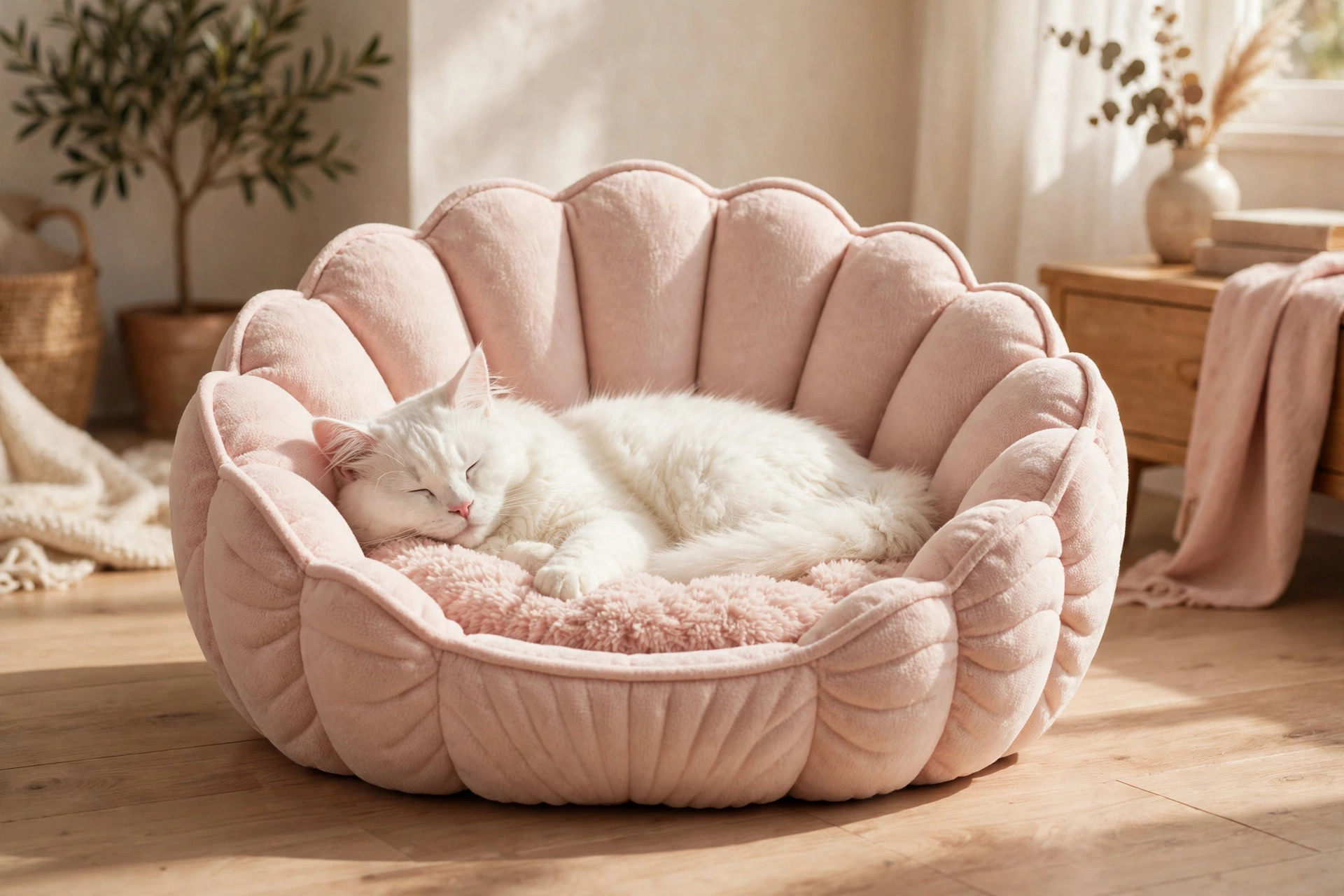
Kittens knead their mother to stimulate milk flow. Press, release, press, release — the motion pushes milk down, and the kitten gets fed. Most cats never fully drop the habit. The wiring stays: soft surface plus contentment equals paws moving on their own. That is why your adult cat kneads your lap, your blanket, your pillow, and occasionally your face at 2 a.m. She is not confused. She is replaying the safest feeling she has ever known.
That also explains the drooling. Some cats drool a little while they knead, the same way a kitten would while nursing. It looks alarming the first time. It is usually just the old program running in full.
Four reasons your cat is kneading right now
She is happy. This is the big one. A cat that kneads on you, slowly, eyes half shut, purring, is telling you something she will never say in words: this spot is safe, you are safe. Take the compliment, even if the claws are out.
She is marking you. Cats have scent glands in their paw pads. Every press leaves a little of her scent behind. When she kneads your sweater, she is, in her own way, labeling it. You are hers now. The sweater was never really yours.
She is making a nest. Wild cats pat down grass and leaves before lying down. Your cat does the same to your duvet, your sofa cushion, and the pile of laundry you just folded. Twenty seconds of kneading, a slow circle, then down. If your cat kneads and then sleeps, that is the whole sequence working as designed.
She is calming herself down. Kneading is self-soothing. A cat that has just come home from the vet, or heard the vacuum cleaner, or watched a stranger walk through the house, may knead harder and faster than usual. It is her version of a deep breath. A sudden, big increase in kneading — especially paired with hiding, eating less, or avoiding the litter box — is worth a vet visit, because pain and stress can hide behind the same behavior. But everyday kneading is not a problem to fix.
When it hurts: what actually works
Here is the part nobody tells you: pushing the cat off does not work. She comes back, or she learns that your lap is not safe after all, and you lose the one ritual that meant she trusted you. Three things work better.
Trim the claws. Not declawing — never declawing, that is surgery on a cat’s toes and it changes how she walks. Just a regular trim every two to three weeks, taking only the sharp hook at the tip. A kneading cat with trimmed claws is a completely different experience. Most cats tolerate it fine if you do one paw at a time and stop before they get annoyed.
Put a thick blanket on your lap before she settles. This is the lowest-effort fix in cat ownership. A folded throw between you and the paws turns needles into pressure. You keep the purring. She keeps the ritual. Everyone wins.
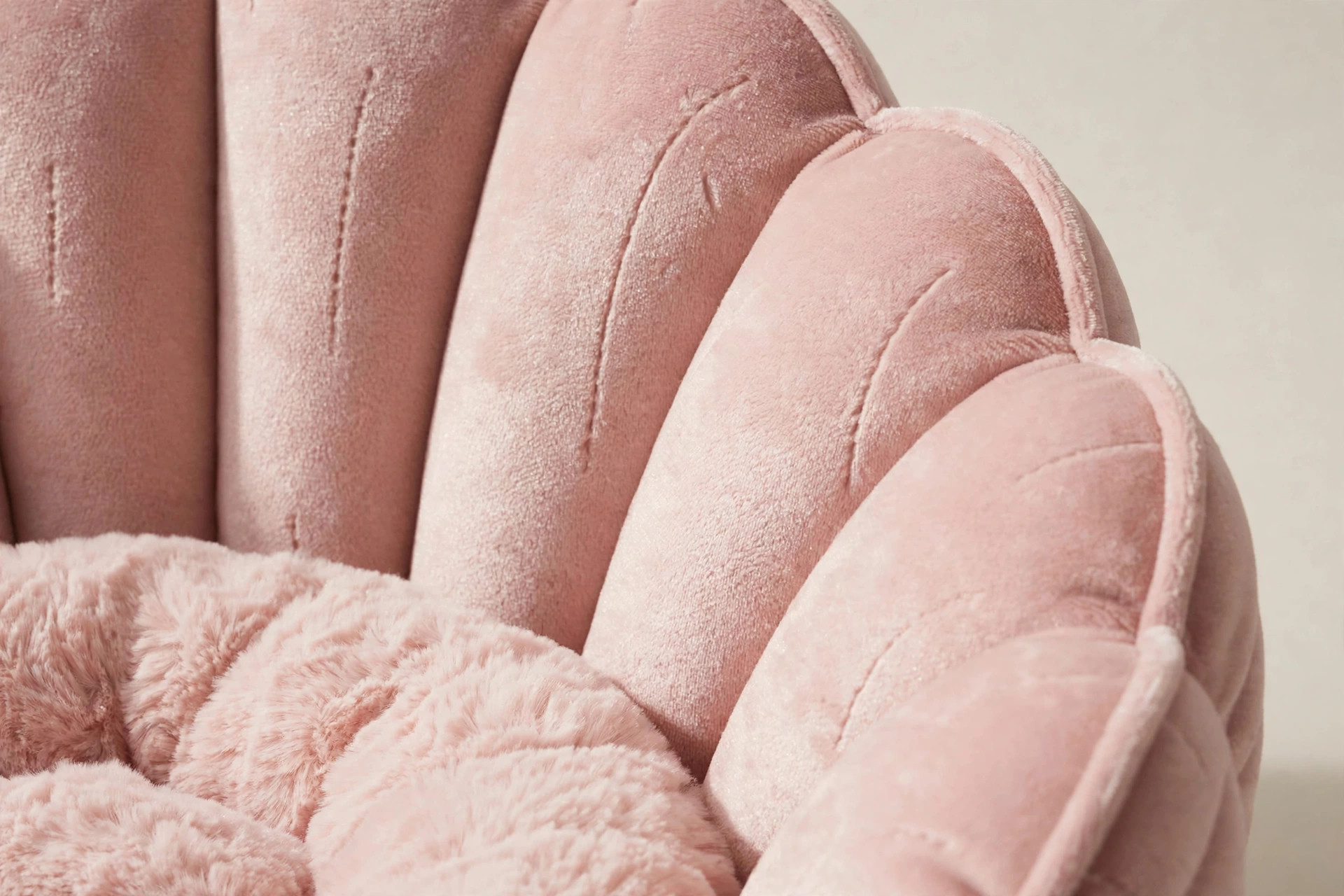
Give her a surface worth kneading. Cats pick soft, slightly springy textures — the kind that give a little under their paws. That is why so many kneaders end up on velvet and plush instead of the flat, hard bed you bought with such confidence. A bed with a plush, kneadable surface and raised edges she can lean into gives her the whole sequence in one place: knead, circle, sleep.
The thing I would not buy
While we are being honest: kneading mittens — those padded gloves sold to protect your lap — are a waste of money. They are hot, your cat steps on a weird crinkly thing instead of you, and the whole point of the ritual is contact. A blanket does the same job for free. And anything marketed as a “kneading deterrent” spray is solving a problem that is not a problem.
What does work is matching the bed to the behavior. The Seashell Snuggle Bed is the one my kneader picked over every other bed in the house, and I can see why: the velvet plush is the texture paws hunt for, the scalloped edges make a perfect headrest for the post-knead nap, and the raised edges give that tucked-in feeling without trapping her. The weighted base means it stays put when she leaps in mid-zoom. It comes in M (50 × 40 × 22 cm, cats up to 5 kg) and L (60 × 48 × 25 cm, cats up to 8 kg), and it is machine washable on a cold gentle cycle — which matters, because a bed a cat kneads daily is a bed that collects fur and the occasional claw snag. Brush the velvet after washing and it comes back soft.
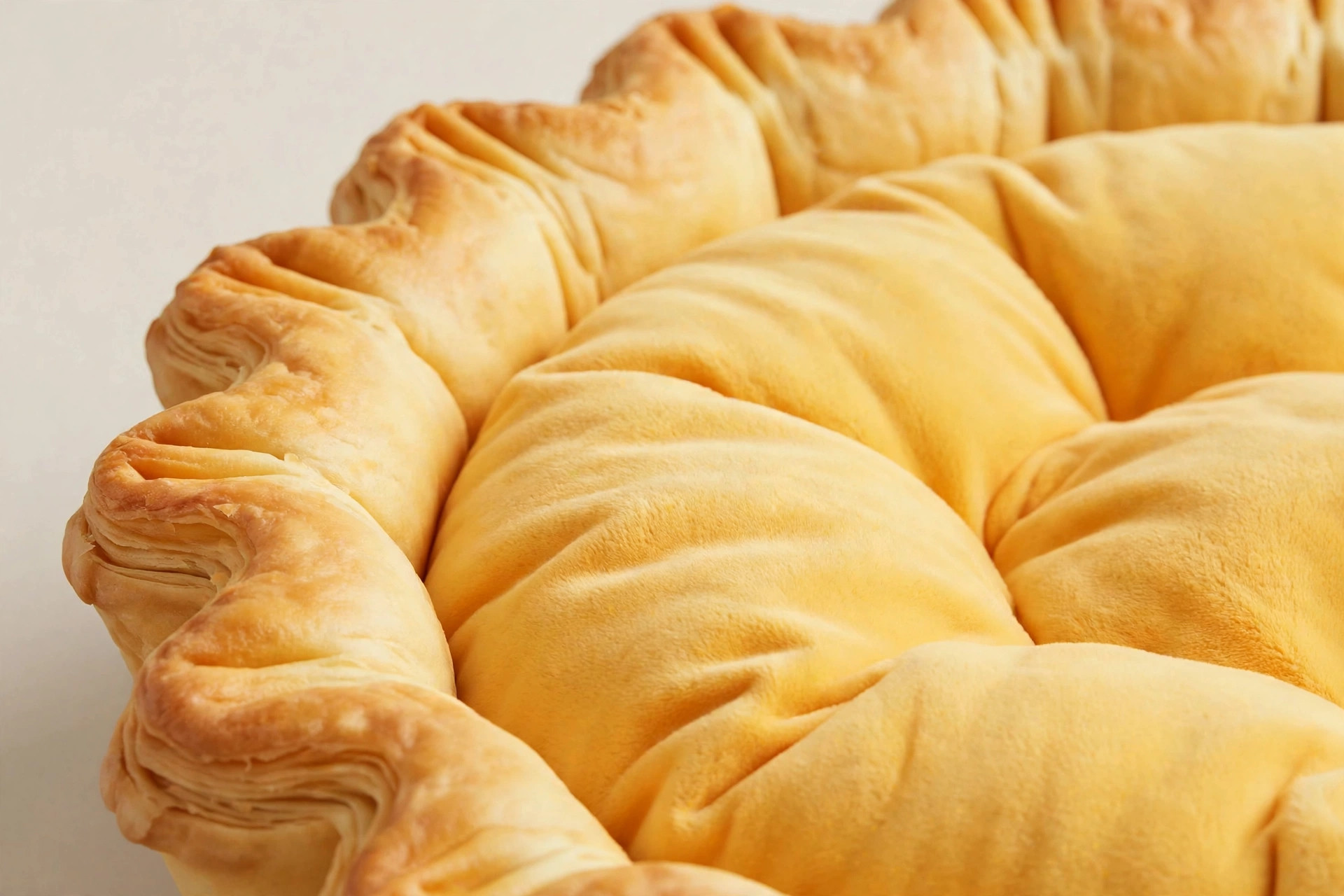
If your cat is more of a curler than a kneader — the kind that folds into a tight ball with her nose tucked under her tail — the Custard Cup Bed is the other one worth a look. Tall rounded walls, a deep plush cup, and it actually traps body heat, so it suits cats that run cold and senior cats that want warmth.
So let her knead
Next time the paws start up at an unreasonable hour, try this: leave her be, slide a blanket under the claws, and listen to the purr. A cat does not knead on people she does not trust. The needles are annoying. The message underneath them is not. How many of us get told, that plainly, that we are home?
Related picks: Seashell Snuggle Bed · Custard Cup Bed