Y-Harness vs H-Harness for Dogs: Which Chest Harness Should You Actually Buy?
The cough is what got me. My neighbor walks a French bulldog — 11 kilos of muscle and opinions — and every evening I hear the same thing through the hallway: a harsh little honk-honk every time the dog lunges at a pigeon. Collar. Of course it’s a collar.
Here’s the short version for the impatient: if your dog pulls, is flat-faced, or coughs on a collar, get a Y-front harness. If your dog already walks like a gentleman and you just want something light, an H-style is fine. But the letter matters less than one thing most shoppers skip entirely — keep reading.
What the letters actually mean
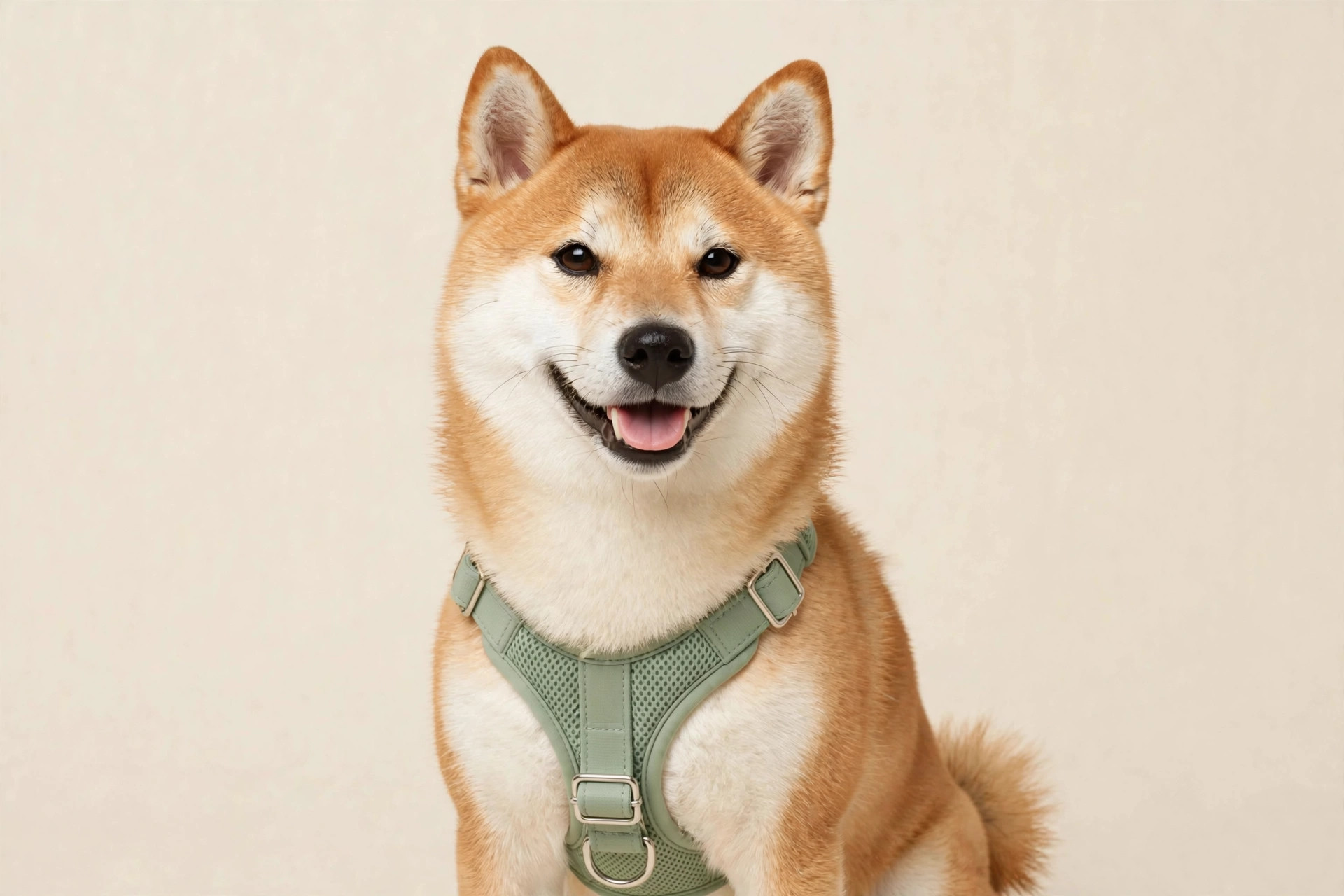
Flip a Y-harness over and look at the chest piece: one strap runs down the middle of the breastbone and splits toward each shoulder. Like a Y. When the dog hits the end of the leash, the force lands on the chest and shoulders — bone and muscle — while the airway stays completely clear.
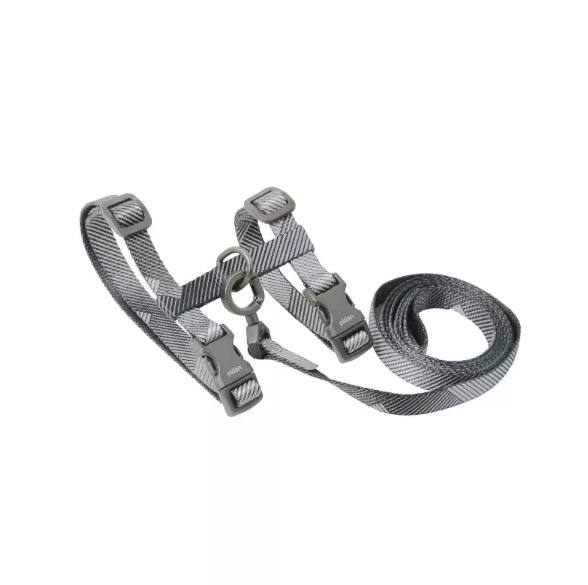
An H-harness is two loops — one around the neck, one around the chest — joined by a strap along the back. Dead simple, very light, genuinely less material on the animal. The trade-off? On a hard lunge, more of that pressure sits higher up, closer to the throat, and fit decides everything.
Neither design is a scam. But they are not interchangeable, and the pet aisle loves pretending they are.
Who should buy the Y (that’s most of you)
Three kinds of dogs. No debate:
- Pullers. A 25-kilo Lab hitting the end of a leash generates serious force. You want that on the chest. Period.
- Flat-faced breeds. Frenchies, pugs, shih tzus — their airways are already narrow. A collar is an insult added to injury.
- Dogs with trachea issues. Especially small breeds like Yorkies and Pomeranians. A vet friend tells me collapsed-trachea cases and collar-walking go together like rain and traffic jams.
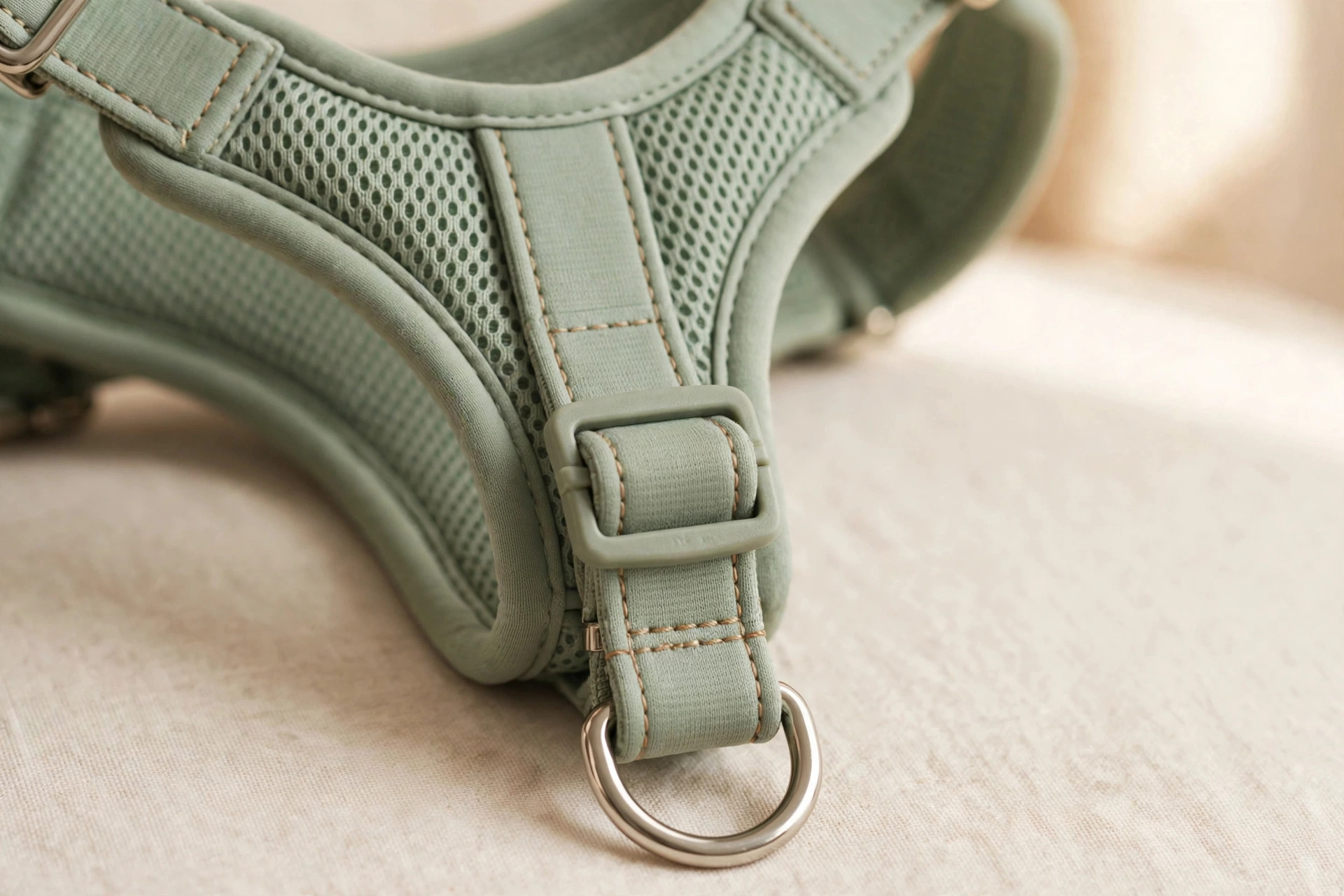
That’s exactly the brief our Comfy-Y Harness was built for: the Y-front keeps pressure off the trachea, the straps are lined with neoprene so they don’t rub hot spots raw on long walks, and there are four adjustment points — which matters more than it sounds, because a deep-chested greyhound and a barrel-chested corgi are basically different species when it comes to fit.
Two details I personally care about: front and back D-rings. While you’re training the pulling out, clip the leash to the front ring — the dog gets gently turned instead of leaning into the pull. And reflective trim, because half my walks happen after dark and drivers are categorically not paying attention.
So when is the H-style the right call?
For cats, honestly. An H-harness is light, minimal, and escape-resistant when fitted right — exactly what you want on an animal that can levitate out of anything with buckles. That’s why the H-style harness we carry is pidan’s cat set: breathable mesh, an H-shape that spreads pressure evenly, made for cats still learning that the outdoors exists.
Got a dog that already walks politely on a loose leash? An H would do fine too. But here’s my honest take: most people shopping for a harness are shopping because the collar stopped working. And if the collar stopped working, you don’t need “lighter” — you need the pressure moved somewhere safe. That’s the Y’s whole job.
The fit test that matters more than the letter
You can buy the perfect harness and still get it wrong. The rule: measure around the widest part of the chest, just behind the front legs, and slide two fingers between strap and body. Not one. Not three. Two.
The Comfy-Y runs S (30–45 cm chest), M (40–60 cm), L (55–75 cm). When in doubt, size up — a slightly roomy harness adjusted down always beats one straining at the buckles. And re-check the fit after ten minutes of walking: straps settle, fur compresses, and the “perfect” living-room fit is usually a notch too loose by the time you reach the park.
One thing I’d skip: those cheap padded “vest” harnesses with zero adjustment points. They look plush in the product photo and rub raw spots behind the front legs by day three. If a harness can’t be adjusted in at least three places, I don’t trust it. That’s not a sponsored line — it’s just what I’ve seen.
A quick word on “no-pull” harnesses that tighten
You’ve seen them: harnesses marketed as no-pull that work by cinching tighter around the chest or armpits when the dog lunges. Technically they reduce pulling. They do it by making pulling uncomfortable — that’s not training, that’s a threat. I’d rather clip to a front D-ring and actually teach the dog, which takes about two weeks of boring consistency. Save your money and skip the tightening ones.
Bottom line
Puller, flat face, or sensitive throat → Y-front, and make sure it’s padded with real adjustment points. Calm dog, easy walks → honestly either works, pick what fits. Cat → the H-style cat set — don’t put a dog harness on a cat and hope for the best.
Still hearing that honk-honk from the hallway, by the way. I’ve told my neighbor twice. Some battles you just lose.
Our picks
- Comfy-Y Harness — Y-front, choke-free, neoprene-padded, front + back D-rings, reflective trim. For pullers, brachycephalic breeds, and trachea-sensitive dogs.
- pidan H-Harness & Leash Set — breathable mesh H-harness for cats, escape-resistant, leash included.
Related products: Comfy-Y Harness · pidan H-Harness & Leash Set · Harness Training Your Cat